
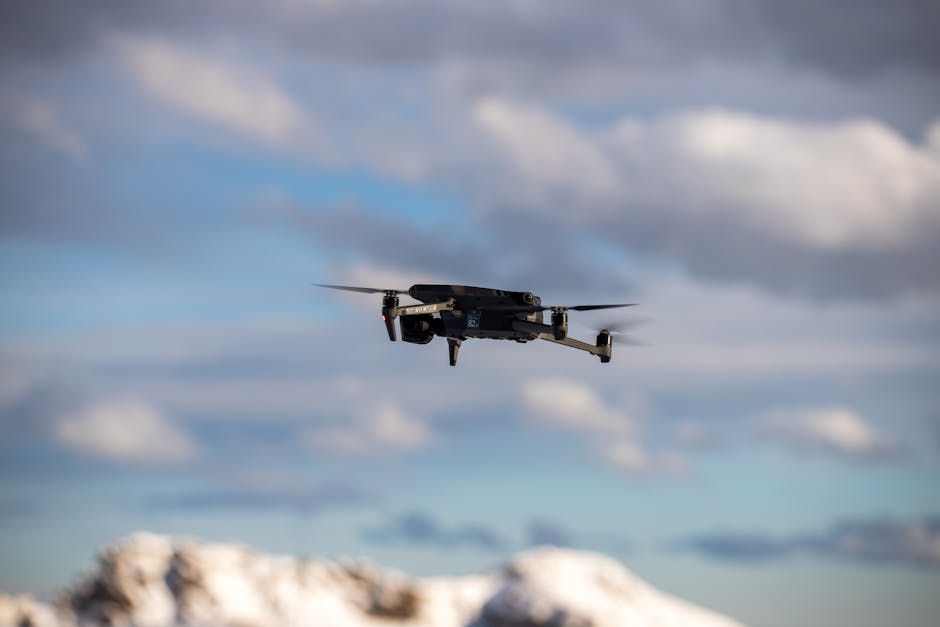
Understanding UAVs and Consumer Drones
Unmanned Aerial Vehicles (UAVs) and consumer drones are terms often used interchangeably, but they represent distinct categories within the broader drone ecosystem. UAVs primarily refer to aircraft systems used for specialized tasks in commercial, military, or industrial sectors, whereas consumer drones are designed for recreational use by hobbyists and enthusiasts. To gain clarity on these differences, it helps to consider an informative UAV vs drone breakdown by Acecore, which highlights their unique functionalities, capabilities, and intended applications.
Design and Technical Specifications
The design and technical capabilities of UAVs differ significantly from those of consumer drones. UAVs are typically equipped with advanced sensors, higher payload capacities, and robust communication systems to support complex operations such as surveillance drone missions or drone utility inspection. Conversely, consumer drones tend to focus on ease of use, portability, and affordability, incorporating user-friendly controls and moderate flight times suitable for casual photography or videography.
- Payload Capacity: UAVs often carry specialized equipment like thermal cameras or LiDAR sensors, whereas consumer drones generally carry lightweight cameras.
- Flight Duration: UAVs can sustain longer flights due to larger batteries or fuel sources, supporting extended missions.
- Range and Control: UAVs operate over greater distances with secure communication links; consumer drones have limited range to comply with safety regulations.
Applications and Use Cases
The intended use cases for UAVs and consumer drones also diverge sharply. UAVs are instrumental in commercial drones applications, including drone inspection of infrastructure, agricultural monitoring, environmental surveys, and security operations. These tasks often demand high precision, reliability, and integration with other systems. Consumer drones primarily serve entertainment and creative purposes such as aerial photography, racing, and recreational flying.
- Surveillance Drone Operations: UAVs are widely deployed for surveillance and security monitoring, providing real-time data and analytics.
- Industrial Inspection: UAVs conduct thorough drone utility inspection on power lines, pipelines, and wind turbines, reducing human risk.
- Recreational Use: Consumer drones are popular for capturing personal videos, exploring outdoor environments, and engaging in drone hobbyist communities.
Regulatory and Operational Differences
Regulations governing UAVs and consumer drones vary based on their operational contexts. UAVs, especially those used commercially or in security roles, often require special certifications, permissions, and adherence to strict guidelines to ensure safety and privacy. Consumer drones, while also regulated, typically face fewer restrictions but must comply with standard aviation rules such as altitude limits and no-fly zones.
- Certification: UAV operators often need formal training and licensing.
- Flight Restrictions: Consumer drones are generally limited to line-of-sight operation and lower altitudes.
- Privacy Considerations: UAVs used in surveillance must navigate complex privacy laws, whereas recreational drones are subject to basic privacy protocols.
Technological Advancements and Trends
Both UAVs and consumer drones continue to evolve with technological progress, but their innovation trajectories differ. UAVs integrate artificial intelligence, enhanced sensor arrays, and autonomous flight capabilities to improve drone security and operational efficiency. Consumer drones increasingly feature improved cameras, obstacle avoidance, and simplified control interfaces aimed at enhancing user experience. These advancements contribute to bridging some gaps, yet fundamental differences remain rooted in their core missions.
Navigating the Drone Landscape
Understanding the distinctions between UAVs and consumer drones is essential for selecting the right technology for specific needs. Whether deploying a surveillance drone for security purposes or flying a consumer drone for leisure, recognizing their design, use cases, and regulatory requirements helps optimize performance and compliance. The UAV vs drone breakdown by Acecore provides a nuanced perspective that clarifies these differences, guiding users through an increasingly complex drone landscape.