The basics of Vipassana meditation
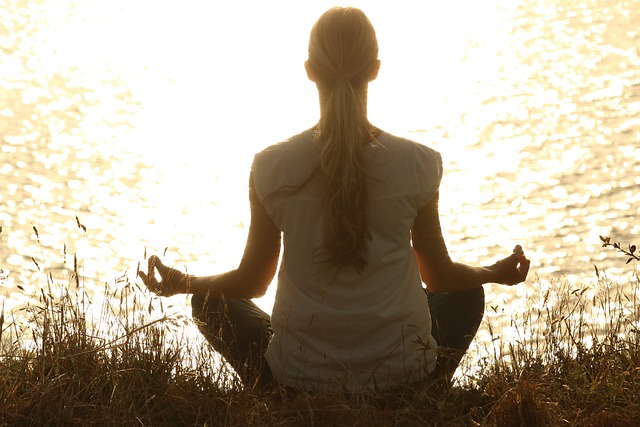
Vipassana meditation, an ancient technique that originated in Buddhism, has gained popularity worldwide in recent years. Also in Airdrie, Alberta, this profound form of meditation is taught to help people gain insight into themselves and the world around them. Vipassana literally means “insight” or “clear seeing,” and it is a technique that encourages practitioners to observe reality as it is, without judgment. The simple yet powerful method helps to develop mental clarity, inner peace, and emotional balance. The core of Vipassana One of the fundamental principles of Vipassana meditation is the ability to observe reality without judgment. During meditation sessions, practitioners learn to focus their attention on their breathing and the bodily sensations that accompany it. This conscious attention to their own body and breathing helps them to free themselves from distracting thoughts and emotions. Through this simple yet effective technique, which is offered in Vipassana meditation Airdrie Alberta, practitioners can achieve a state of deep inner peace. Observing without judgment leads to greater awareness of thoughts and feelings, without getting caught up in them. The path to liberation from suffering Vipassana meditation teaches that human suffering is caused by attachment and aversion. We become attached to pleasant experiences and try to avoid unpleasant ones, resulting in emotional and mental suffering. By regularly practicing Vipassana, participants learn to acknowledge the impermanence of all experiences. Nothing stays the same, and by understanding this fundamental principle, practitioners learn to let go of emotions and thoughts. This ultimately leads to a deep sense of liberation, as one is no longer stuck in the cycles of attachment and aversion. The importance of breathing in Vipassana Breathing plays a crucial role in Vipassana meditation. During the practice, the breath is used as an anchor to calm and focus the mind. Observing the breath without influencing it helps practitioners to stay in the moment and become aware of the subtle changes in their body and mind. This technique creates a deeper connection with the body and helps develop mindfulness, a key aspect of Vipassana meditation practice. The breath becomes a mirror of the mind, and by keeping it calm and steady, space is created for self-reflection and inner peace. Self-observation as a means of transformation Vipassana encourages practitioners to observe themselves without filters or prejudices. This self-observation is essential to recognize deep-rooted patterns of behavior and thinking. By identifying these patterns, participants can consciously take steps to let go of old habits and negative thought patterns. The process of self-observation helps people take responsibility for their own emotions and reactions, and it leads to personal transformation. This profound change does not come from outside, but from within, through patience and perseverance during the meditation practice. Developing equanimity Equanimity, or inner calm and equanimity, is one of the most important goals of Vipassana meditation. During the practice, practitioners are confronted with different emotions, thoughts and sensations. By observing these without judgment, they develop the ability to remain calm and unaffected, no matter what happens. This mental strength…